The Japanese War Crimes Trials After World War 2
History in 28-minutes historyisnowmagazine.com
Aurekai listening
Listen to this summary
Original instrumental score; voice stays in front.
Ready to listen
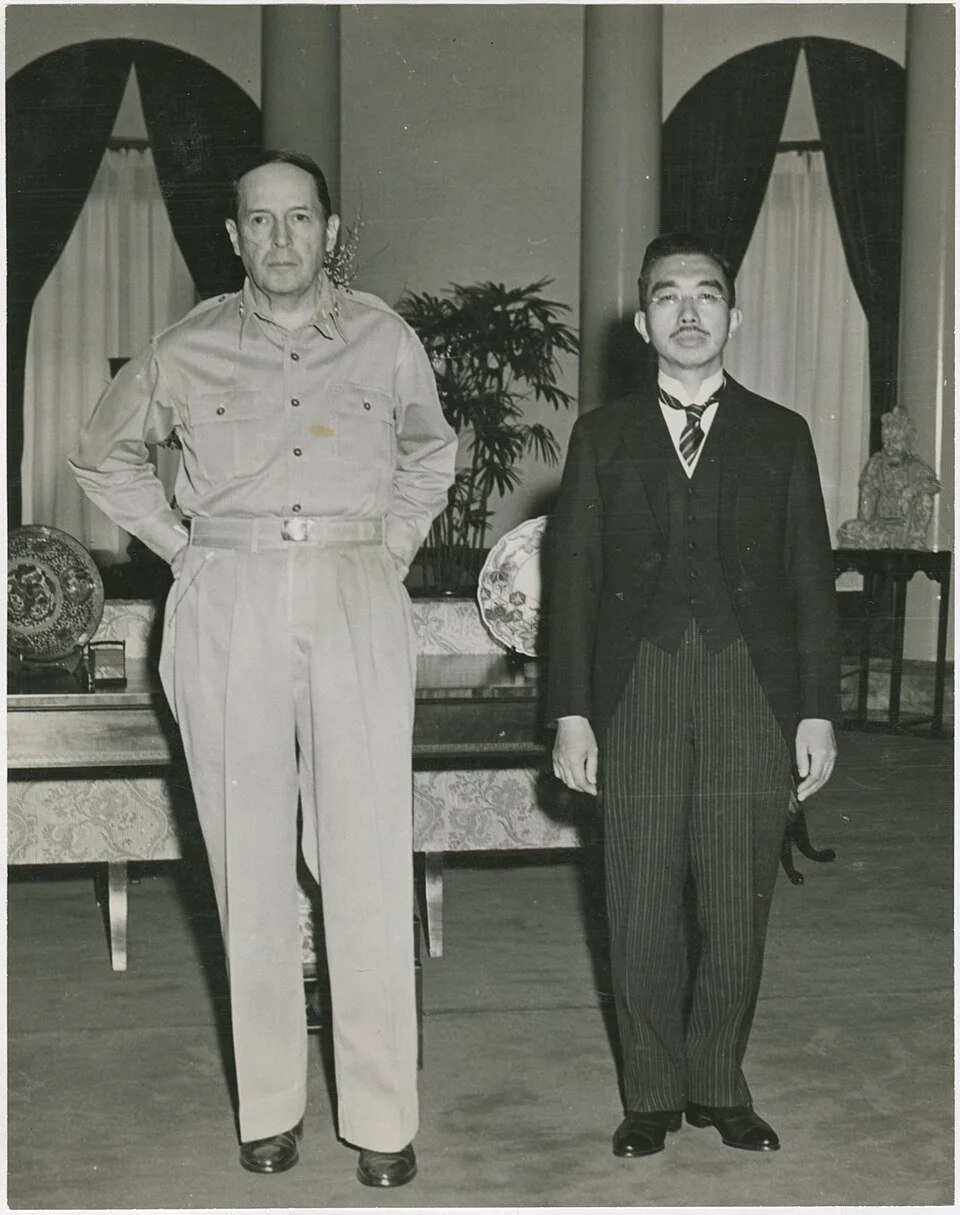
This reads the text available on this page using your browser's voice. It is not a publisher-recorded narration; voice processing depends on your browser.Following Japan’s unconditional surrender to the Allied Powers at the end of World War Two, there was much discussion over what to do at the Japanese war crimes trials – including whether to include Japanese Emperor Hirohito in the trials. Ken Wright explains.
Emperor Hirohito and General MacArthur at the U.S. Embassy, Tokyo, 27 September, 1945. Source: Public domain, US Army, available here.
More ways to use this
Open on another device

Scan to open this page. Your saved notes and account access are not included.
 EDGE Magazine #431 reviews - Grand Theft Auto VI, The Legend of Zelda: Ocarina of Time, World of Warcraft: Forever, and more
 Umamusume: Pretty Derby |OT| Horse Girls Neighing Their Way Around The World